
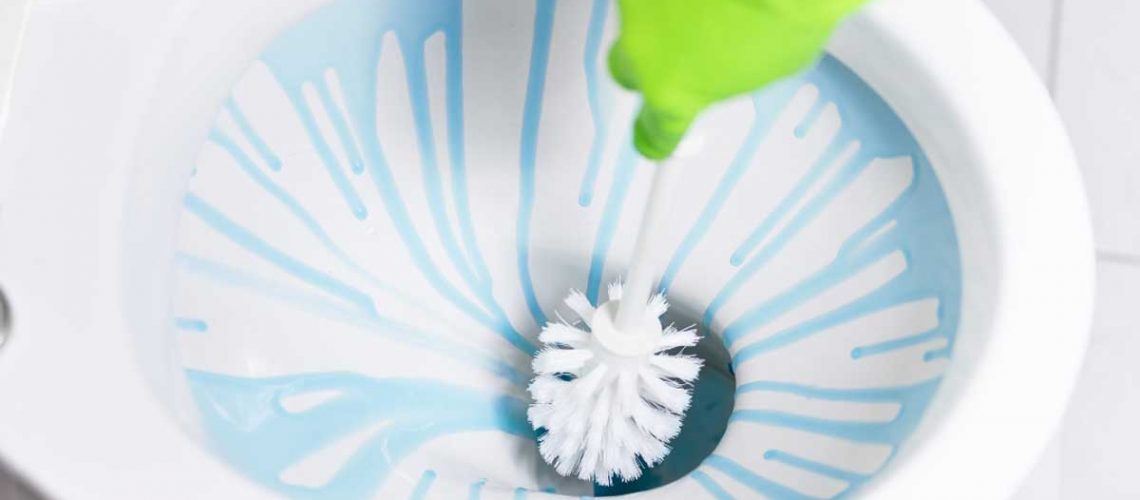
Are you tired of your toilet bowl cleaner leaving stubborn stains behind? Say goodbye to those unsightly marks once and for all with these helpful tips and tricks.
Cleaning the toilet bowl is a chore that no one enjoys, especially when you have to deal with stubborn stains that just won’t go away. That’s where our expert advice comes in. We’ll share with you the best cleaning methods and products to effectively remove those tough stains.
Our step-by-step guide will take you through easy-to-follow instructions, ensuring that your toilet bowl stays sparkling clean and free from any residue. Whether you’re dealing with mineral deposits, rust stains, or hard water marks, we have the solution you’ve been searching for.
Don’t let toilet bowl cleaner stains ruin the look of your bathroom. Follow our tips and tricks to banish stains and restore your toilet bowl to its original pristine condition. Get ready to say goodbye to stubborn stains and hello to a cleaner, fresher bathroom experience.
Remember, a stain-free toilet bowl is just a few simple steps away!
Toilet bowl cleaner stains can be a nuisance, but understanding their nature is the first step in getting rid of them. These stains are typically caused by the ingredients in traditional, commercial toilet bowl cleaners reacting with minerals and other substances in the water. Over time, these stains can build up and become more stubborn to remove.
There are several common causes of toilet bowl cleaner stains. One of the main culprits is hard water, which contains high levels of minerals such as calcium and magnesium. These minerals can react with the chemicals in toilet bowl cleaners, leading to the formation of stains. Another common cause is the presence of rust in the water supply, which can leave behind unsightly orange or brown stains.
There are several easy ways to test your water to see if you have hard water. Here are a few methods you can use:
Soap Test:
Hard Water Test Strips:
Water Hardness Testing Kit:
Professional Water Test:
Keep in mind that water hardness is typically measured in grains per gallon (gpg) or parts per million (ppm). Water is considered soft at around 0-3.5 gpg or ppm, moderately hard at 3.5-7 gpg or ppm, and hard at 7-10.5 gpg or ppm. Very hard water is above 10.5 gpg or ppm.
Testing your water hardness can help you decide whether you need a water softener or other treatments to address any issues associated with hard water, such as scale buildup in appliances and plumbing.
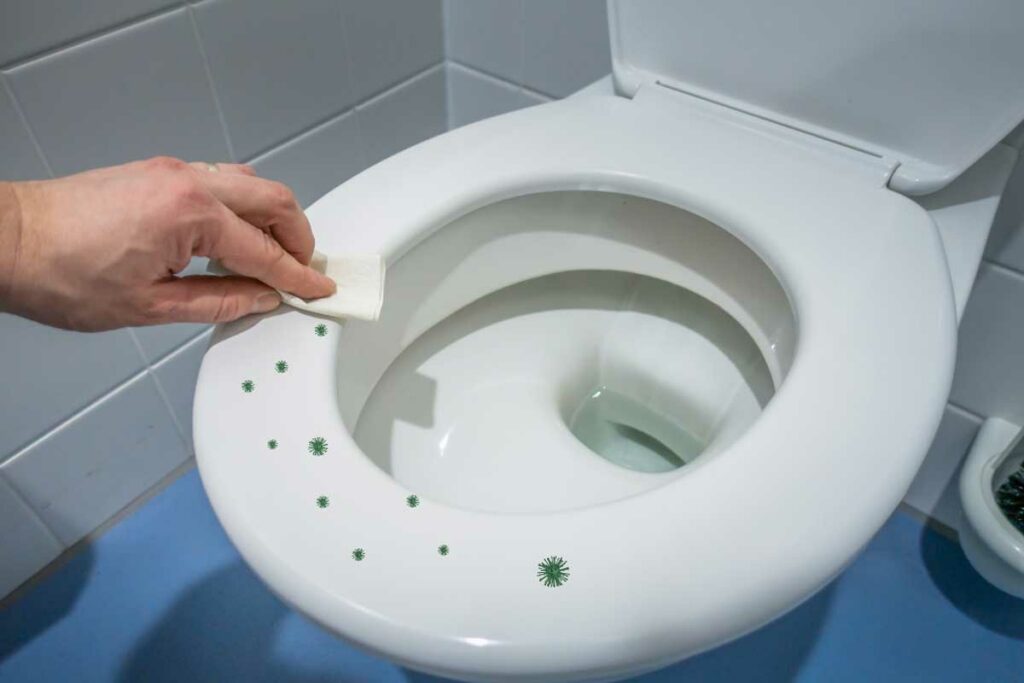
While toilet bowl cleaner stains may seem like a mere cosmetic issue, they can actually pose some dangers.
For one, these stains can make your toilet bowl look dirty and unhygienic, giving off a bad impression to guests or potential buyers if you’re trying to sell your home. Additionally, the build-up of stains can create a breeding ground for bacteria and other harmful microorganisms, which can pose a risk to your health.
Prevention is always better than cure, and the same holds true for toilet bowl cleaner stains. By taking a few simple steps, you can minimize the chances of stains forming in the first place. One effective method is to use a toilet bowl cleaner specifically formulated for hard water stains.
These cleaners are designed to prevent the minerals in hard water from reacting with the cleaning agents. Additionally, regularly scrubbing the toilet bowl with a toilet brush can help prevent stains from building up.
If you’re looking for a more natural approach to removing toilet bowl cleaner stains, there are several household items that can do the trick.
One popular method is to use vinegar, which is known for its acidic properties. Simply pour a cup of vinegar into the toilet bowl and let it sit for a few hours or overnight. Then, scrub the bowl with a toilet brush and flush. The acid in the vinegar will help break down the stains and leave your toilet bowl looking clean and fresh. Sometimes, though, you need a stronger remedy to get those toilet bowl stains clean.
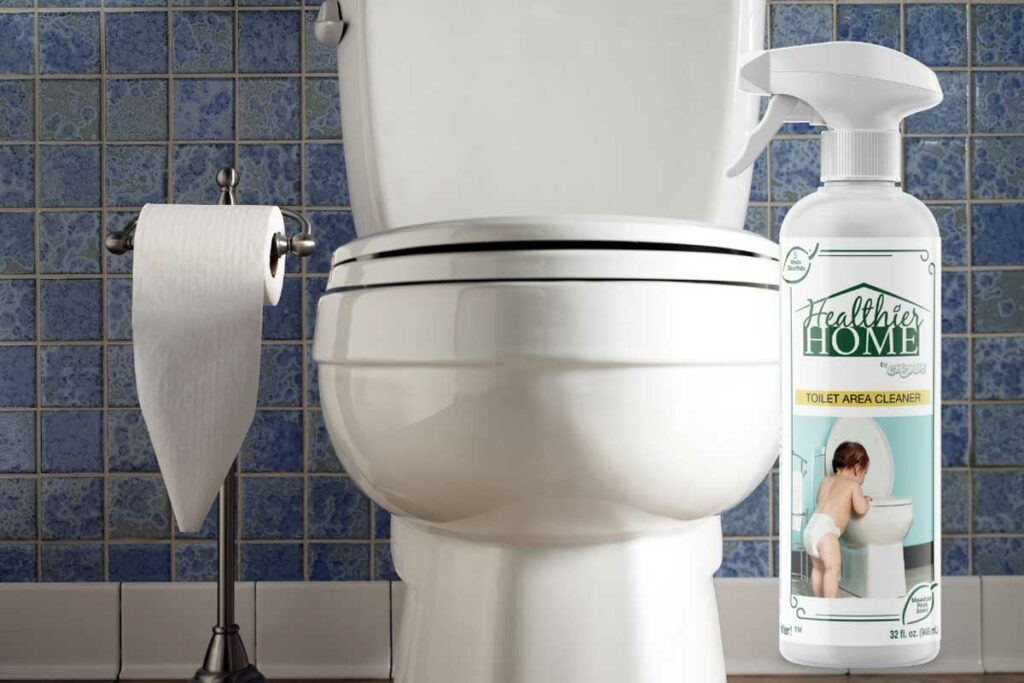
If you prefer to use commercial products to tackle toilet bowl cleaner stains, be sure to look for cleaners that are safer for your family and the environment, especially as that water gets flushed back into the public water system. Look for cleaners that specifically target stains and build-up.
Healthier Home Products has developed a line of safer-for-your-home-and-family bathroom cleaners. These cleaners target hard water stains very effectively and are an excellent choice to quickly and easily clean your toilet bowl and the whole bathroom.
Once you’ve successfully banished toilet bowl cleaner stains, it’s important to implement a maintenance routine to keep them at bay. Regularly cleaning the toilet bowl with a mild cleaner or vinegar can help prevent stains from building up.
Additionally, using a toilet brush to scrub the bowl at least once a week can help remove any residue and keep the bowl looking clean and fresh.
Say goodbye to stubborn toilet bowl cleaner stains and hello to a cleaner, fresher bathroom experience. With these tips and tricks, you can now banish stains and restore your toilet bowl to its original pristine condition. Remember, a stain-free toilet bowl is just a few simple steps away!
